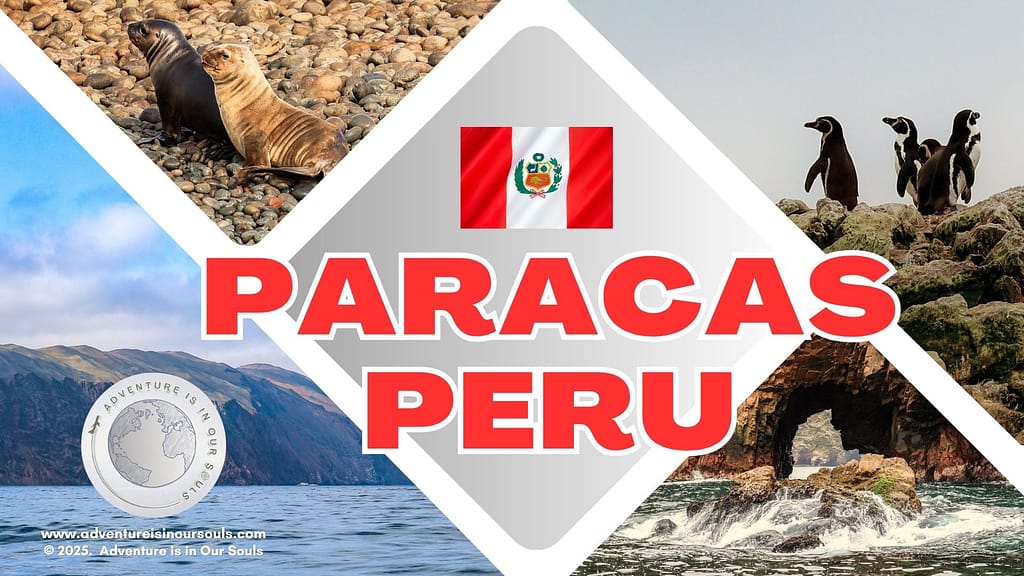
An Islas Ballestas tour from Paracas was one of the easiest and most memorable wildlife experiences we had in Peru with kids. The boat tour gave us close views of sea lions, seabirds, Humboldt penguins, rocky island cliffs, and the mysterious Paracas Candelabra geoglyph without needing a long hike or complicated logistics.
This guide covers what families can expect on an Islas Ballestas boat tour, including how the tour works, what wildlife we saw, how long to plan, what to bring, and whether the trip is worth adding to a Peru family itinerary.
What to Know Before an Islas Ballestas Tour with Kids
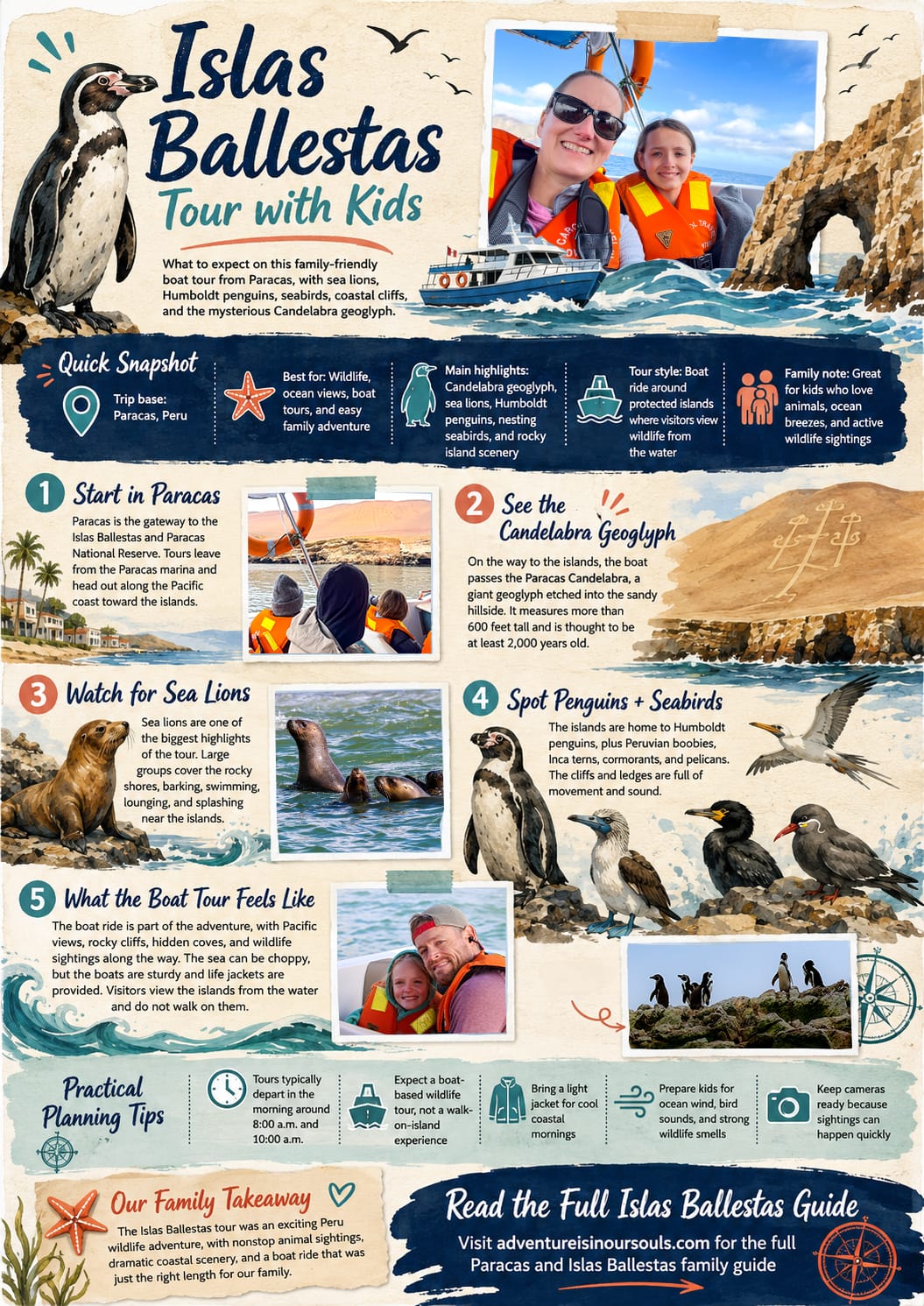
- Tours leave from Paracas. Most families visit the Islas Ballestas by boat from the Paracas marina.
- Plan for about 2 hours on the water. The boat tour is long enough to feel like an adventure but short enough for most kids.
- You do not get off the boat. Visitors view the islands, wildlife, and rock formations from the water.
- Bring layers. The morning boat ride can feel cool and breezy, even when the rest of the day is warmer.
- This is a wildlife tour. Sea lions, seabirds, and Humboldt penguins were the highlights for our girls.
Paracas, Peru
We left early in the morning and drove to Paracas. The trip took just under four hours. Several comfortable and safe bus companies also run this route daily. As we left behind the bustling capital, the scenery shifted to dry desert landscapes and beautiful coastline.
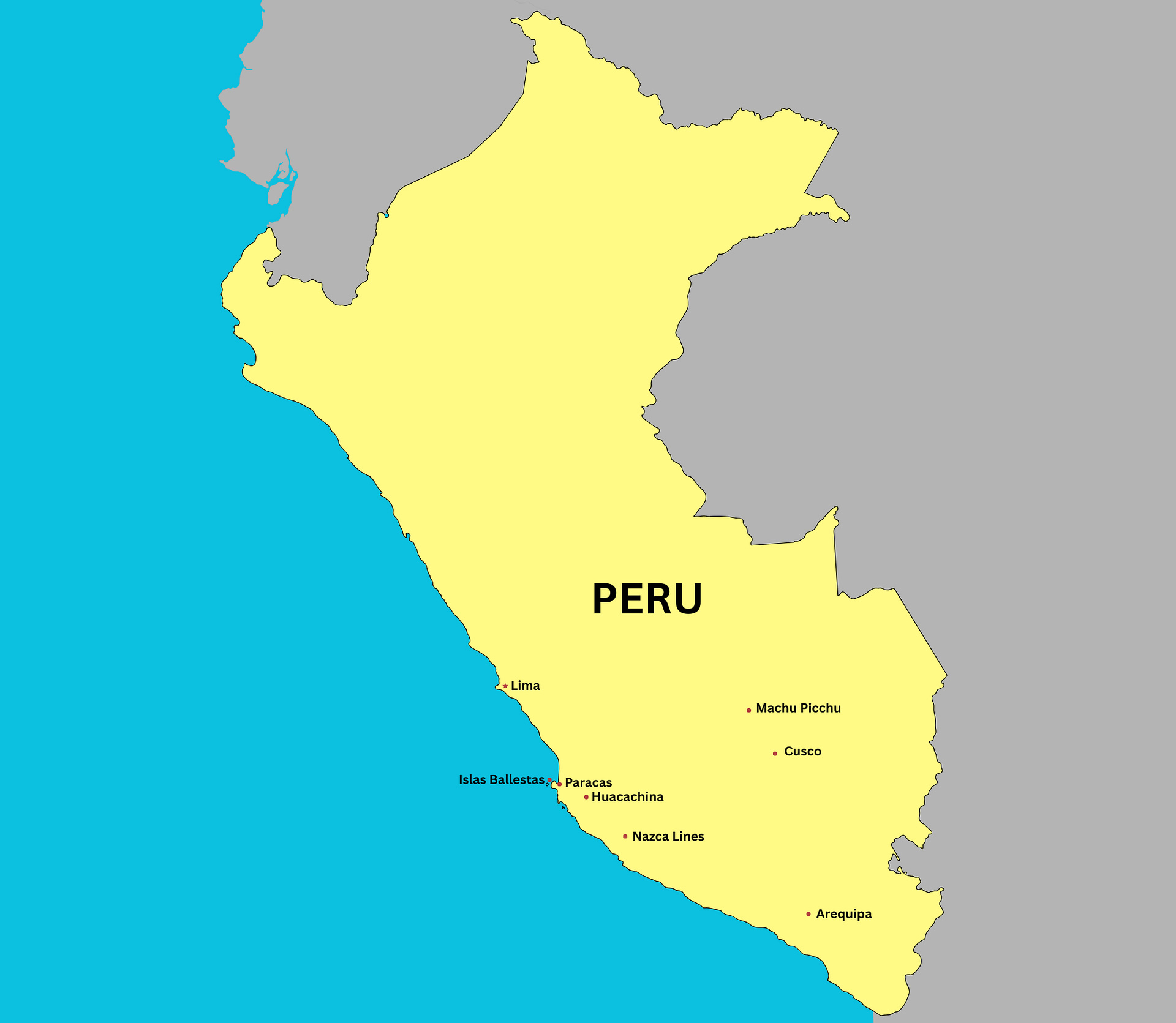
Paracas is known as the gateway to the Islas Ballestas and the Paracas National Reserve. The town has a laid-back vibe and offers plenty of restaurants, shops, and hotels.
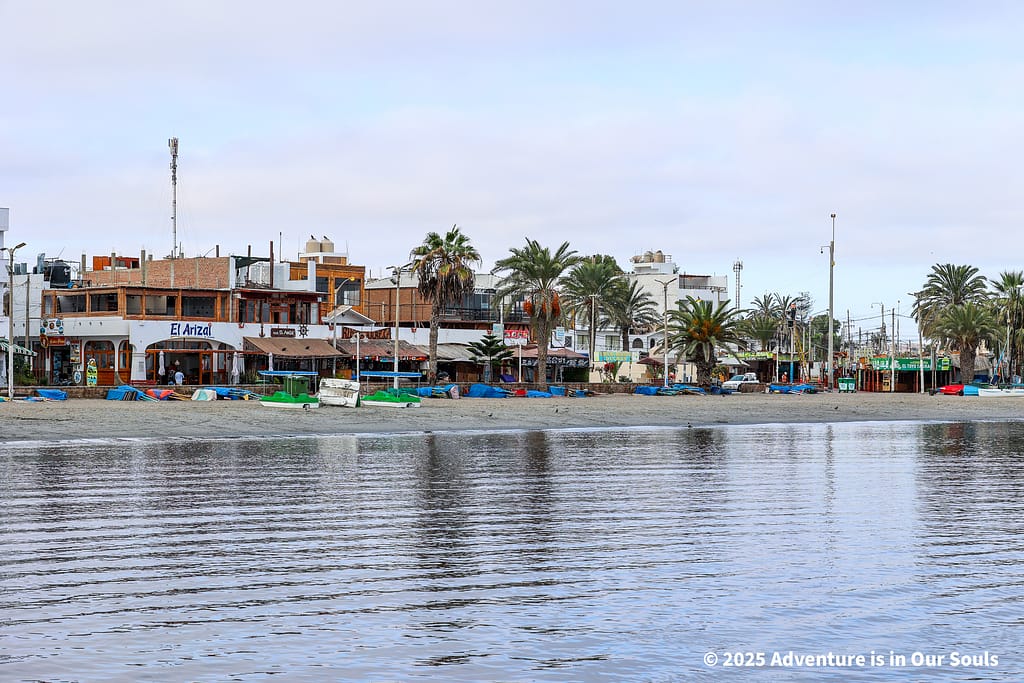
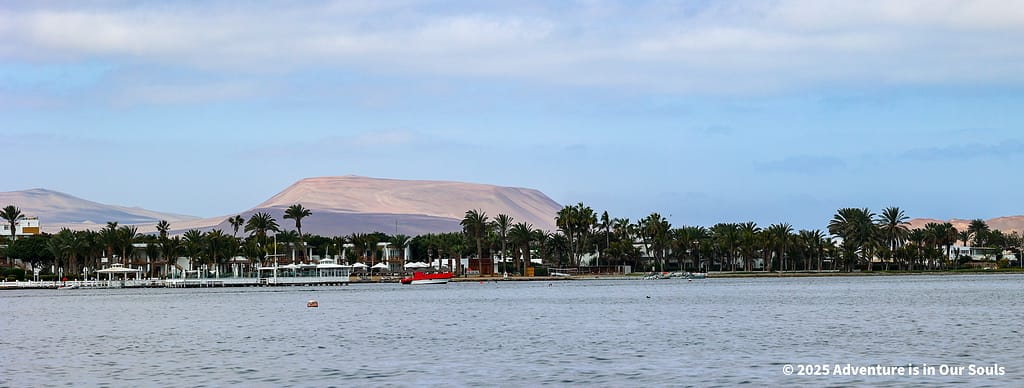
It also has a deep history. The area was once home to the Paracas culture, which dates back to 800 BCE. Archaeologists have uncovered ancient burial sites and colorful textiles that tell stories of this early civilization.
What are the Islas Ballestas?
The Islas Ballestas are a group of small, rocky islands located just off the coast of Paracas. They are part of the larger Paracas National Reserve, a protected area that preserves both land and marine ecosystems. The reserve was created to protect the rich biodiversity and fragile habitats found in this part of Peru. The Peruvian government has worked to maintain this protected area so future generations can continue to experience its wonder.
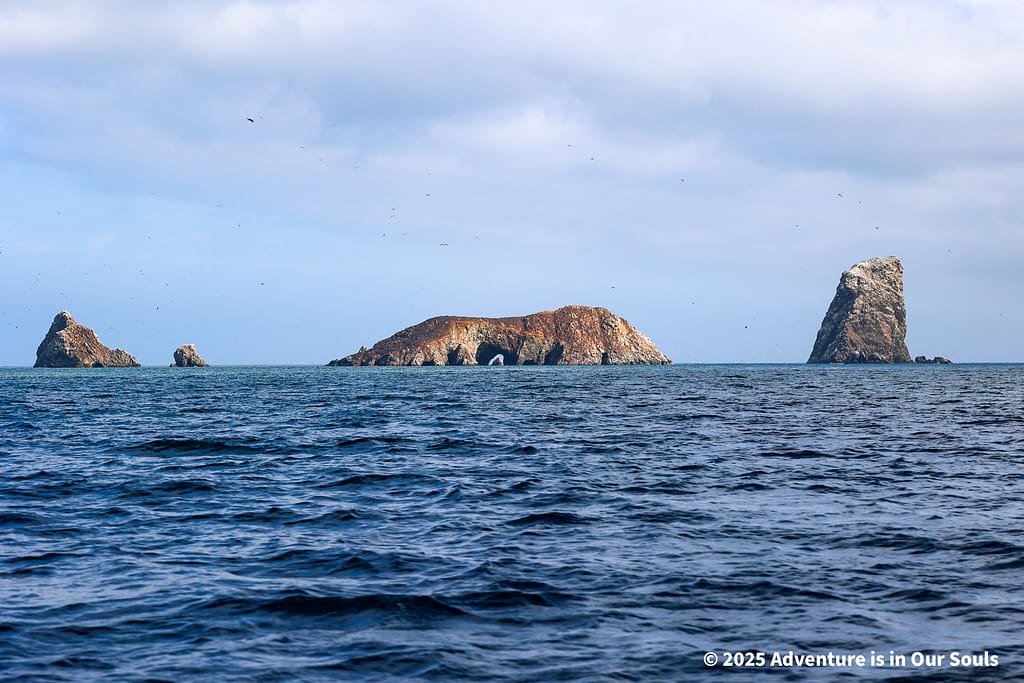
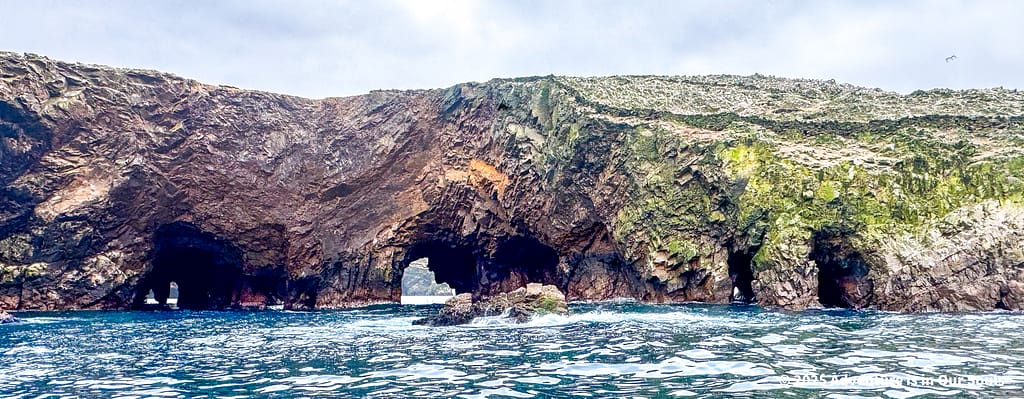
These islands are often called the “Poor Man’s Galápagos” because they offer a similar variety of wildlife but are much more affordable and easier to visit. The islands are uninhabited by people, but they are full of life. Sea lions, penguins, and thousands of seabirds call these islands home.
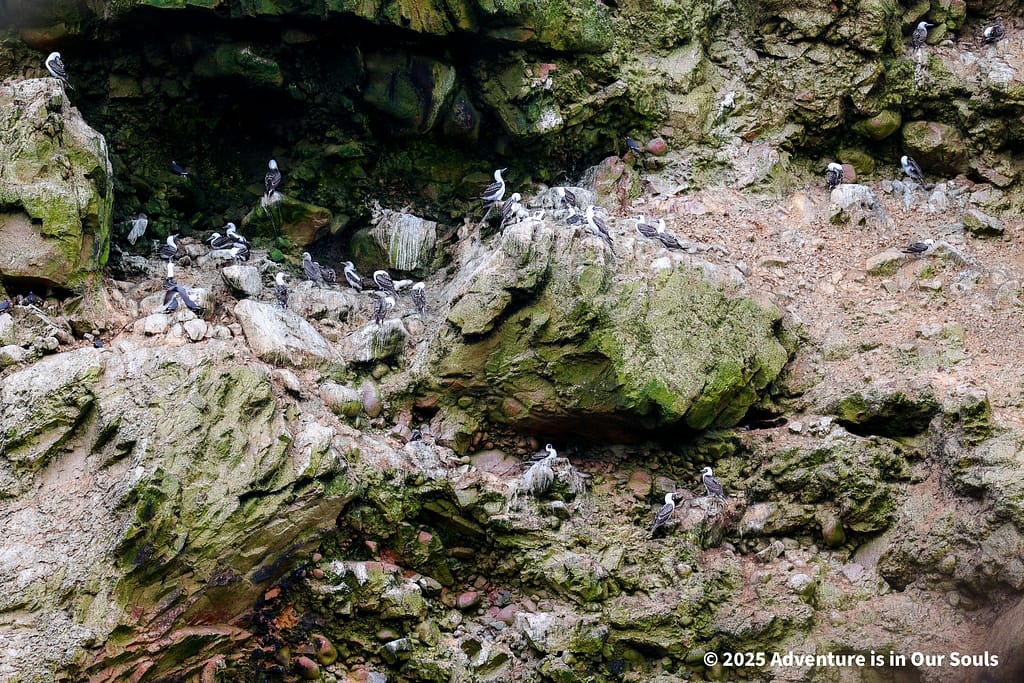
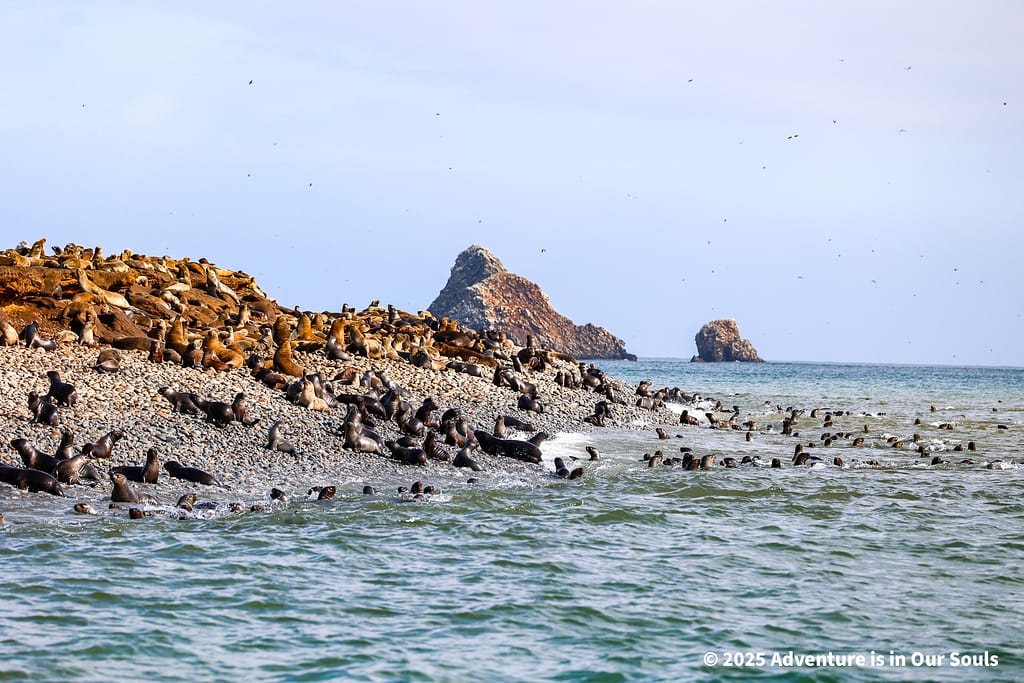
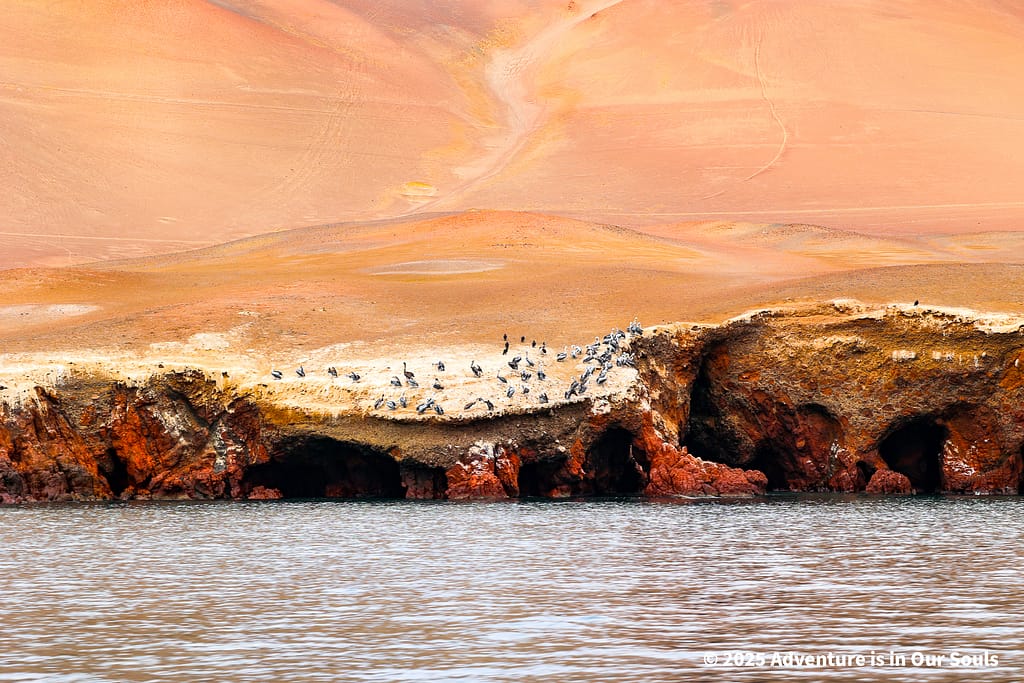
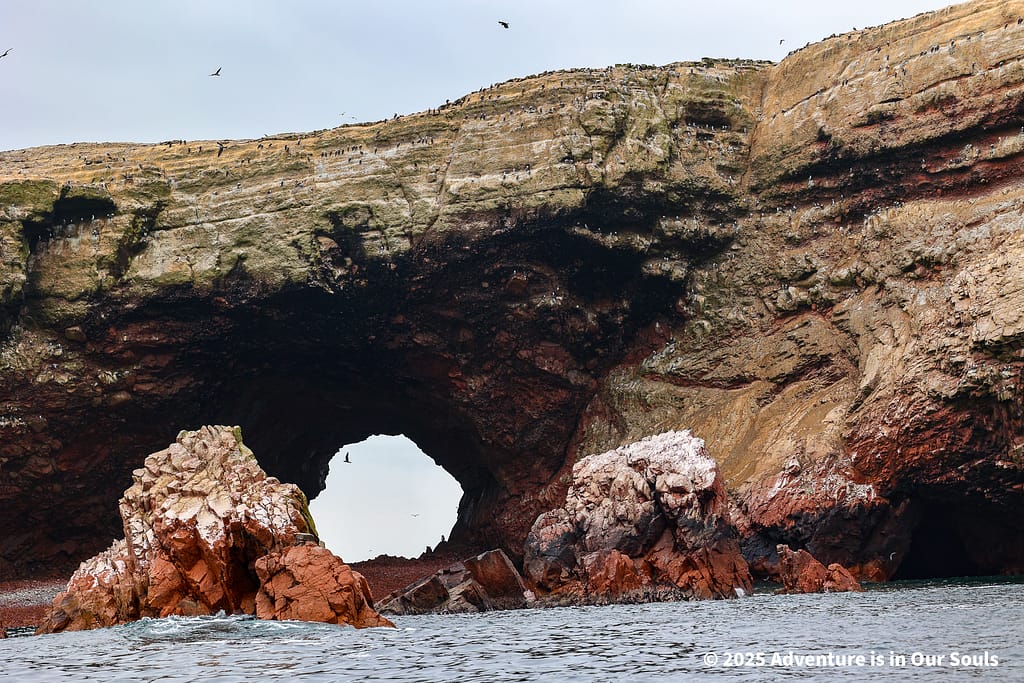
The rocky formations rise dramatically from the ocean, creating natural arches, caves, and ledges where animals gather in huge numbers. Although visitors are not allowed to set foot on the islands, boat tours circle around them to offer up-close views. It’s a thrilling way to get a glimpse into one of South America’s most vibrant ecosystems!
Boat Tour Excursions
Boat tours to the Islas Ballestas usually depart in the morning from the Paracas marina. Exact departure times, prices, and availability can change by season and tour company, so check current options before your trip and book ahead if you are visiting during a busy travel period.
The tour is suitable for families, and our girls loved spotting animals from the boat. Since visitors do not get off the islands, this is an easy wildlife experience to add to a Peru itinerary without requiring a long hike or specialized gear.
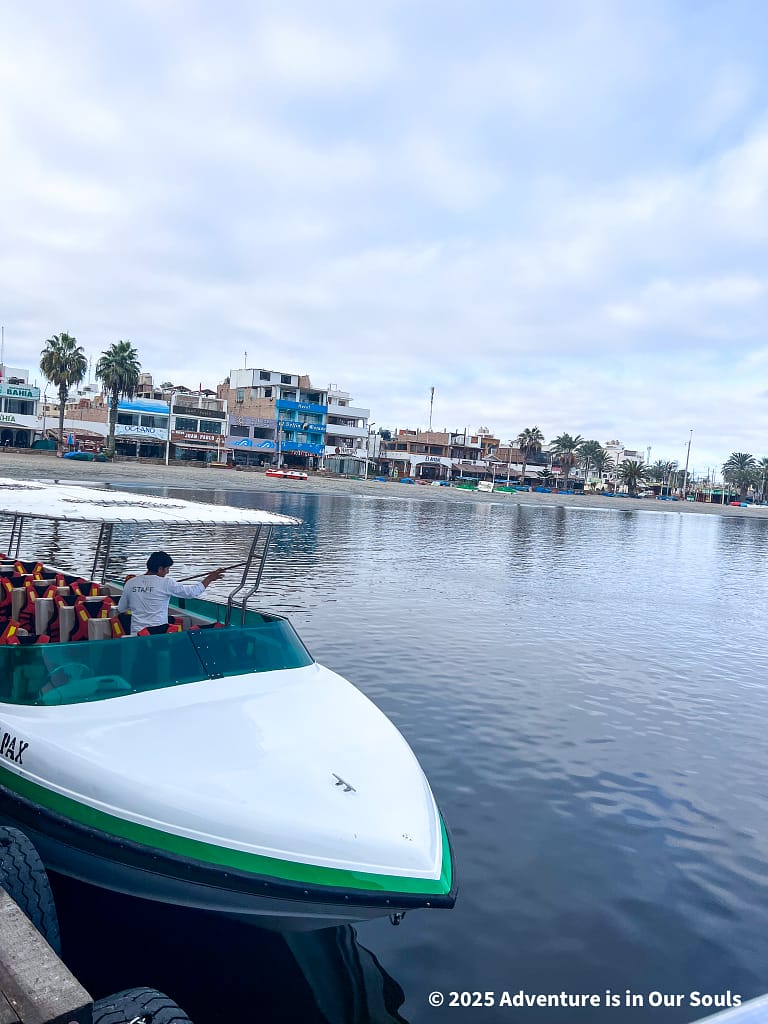
Tours leave from the Paracas marina and fill up quickly. Most excursions last about two hours. They are led by local guides who share fun facts and point out different animals as the boat approaches the islands.
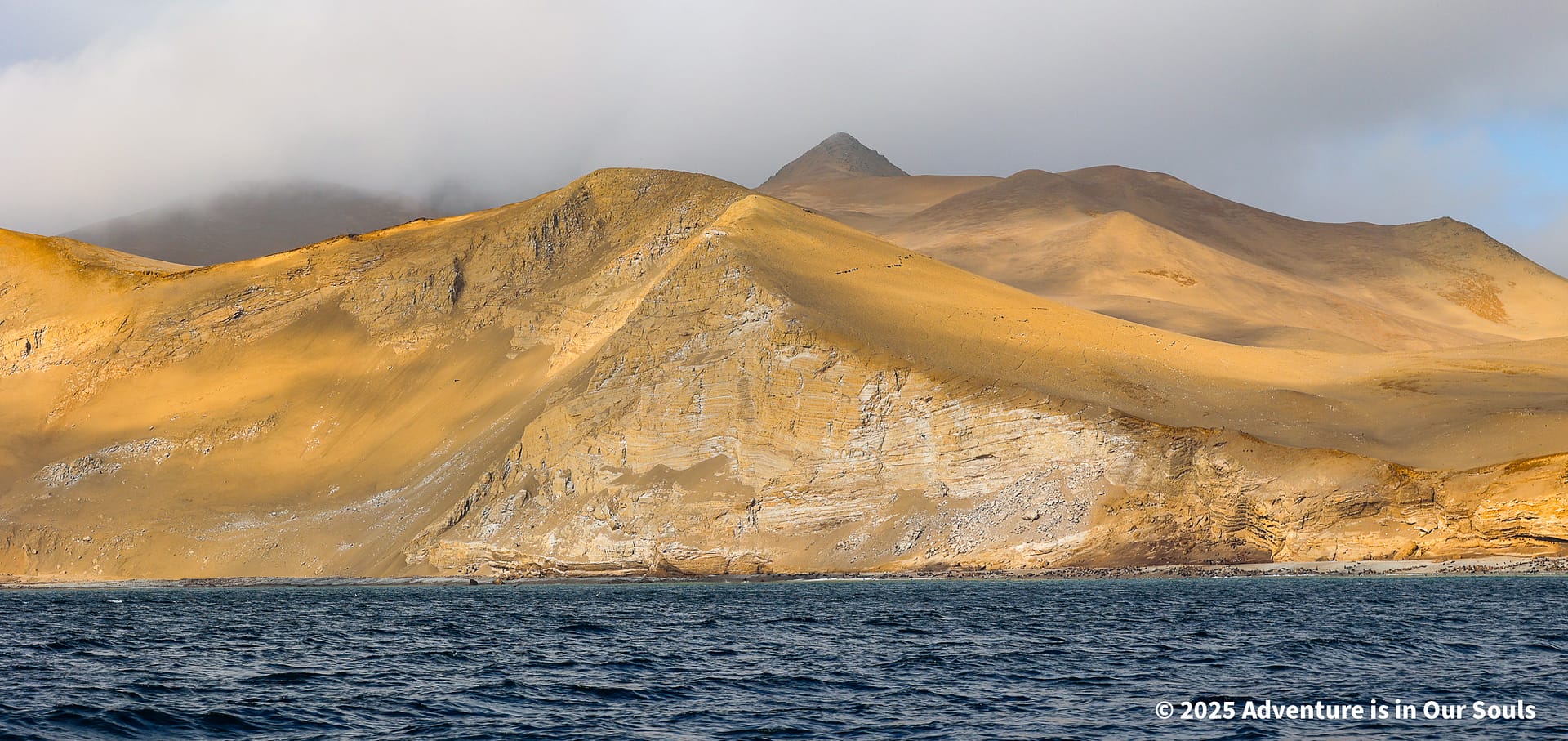
Tour prices are generally reasonable compared with many other wildlife excursions, but costs can vary by operator, pickup options, and season. Some companies also offer packages that include transportation from your hotel.
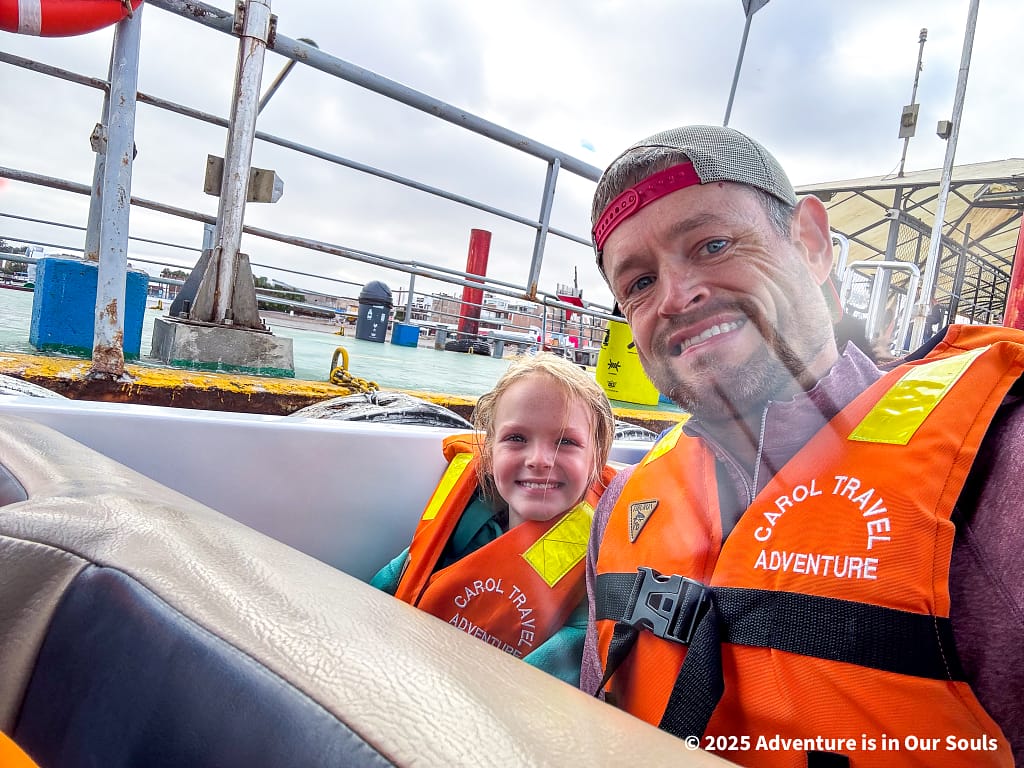
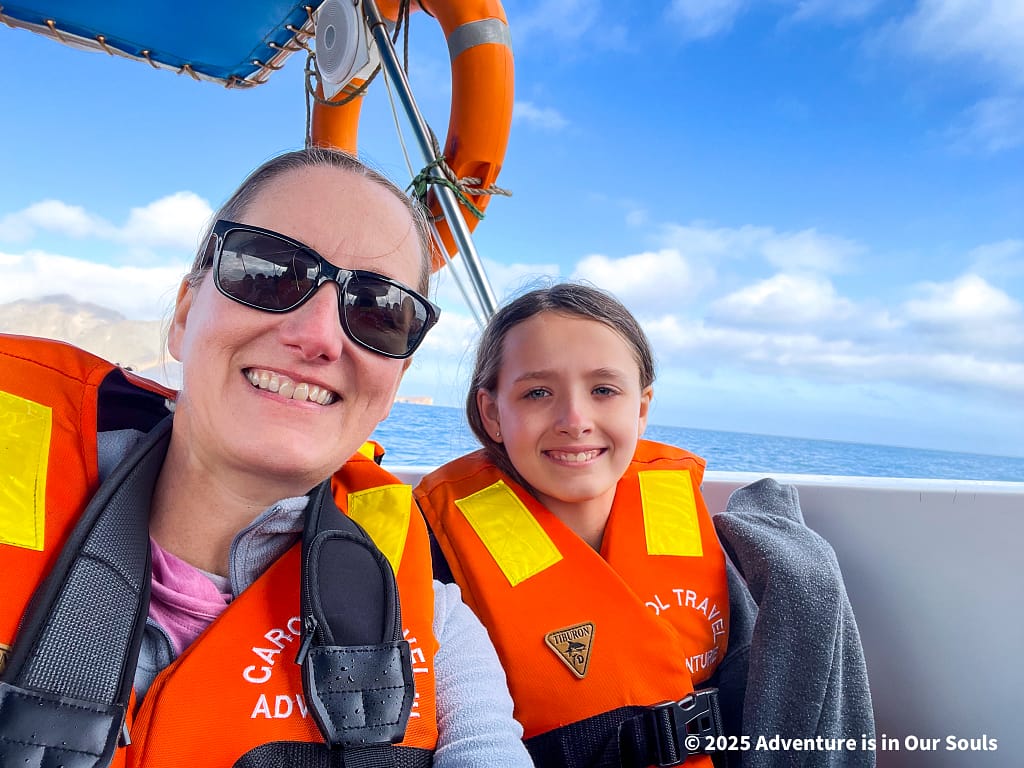
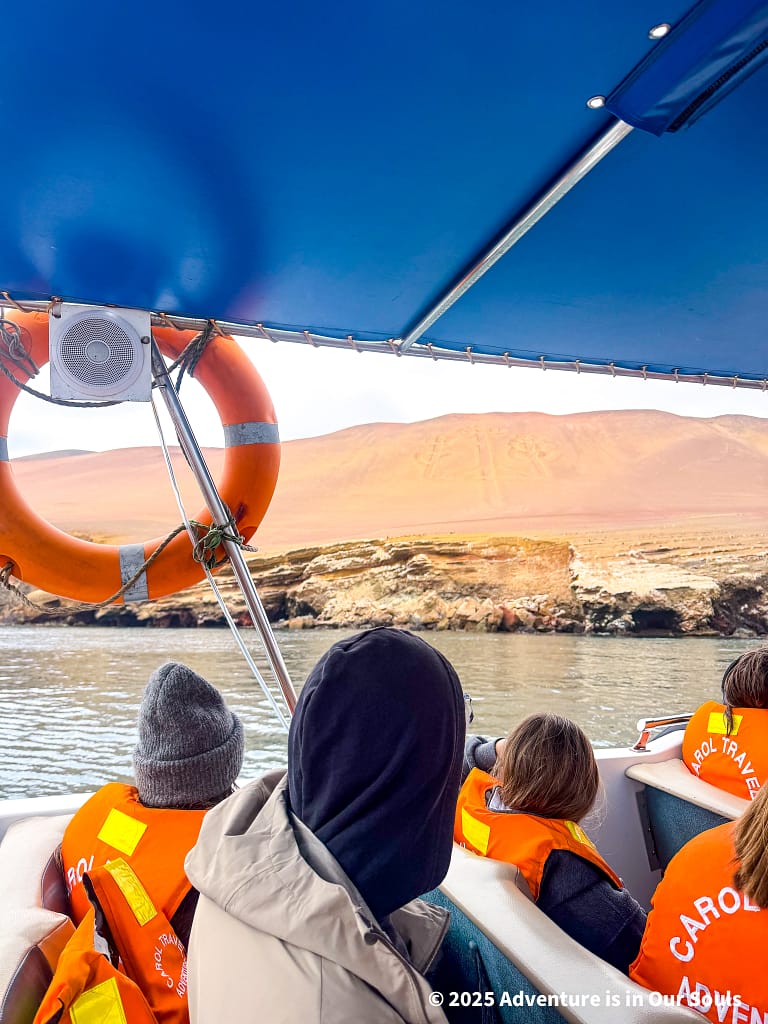
Life jackets are provided, and safety is a top priority. Even on a cool June morning, the boats were comfortable, and the guides were warm and welcoming!
What to Expect
The boat ride out to the Islas Ballestas is half the adventure. Once we left the harbor, we were greeted by the salty ocean breeze and endless views of the Pacific. The sea can be choppy, but the boats are sturdy, and the ride is usually smooth. In June, the weather was cool and cloudy in the morning, which is typical for this coastal region. A light jacket kept us comfortable as we skimmed across the waves.
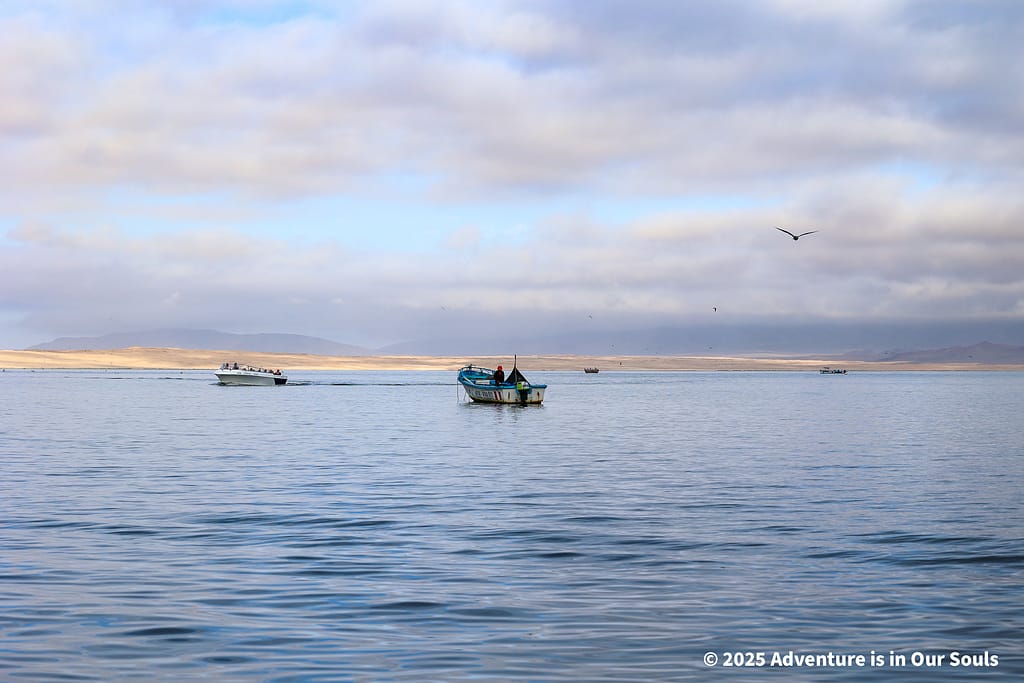
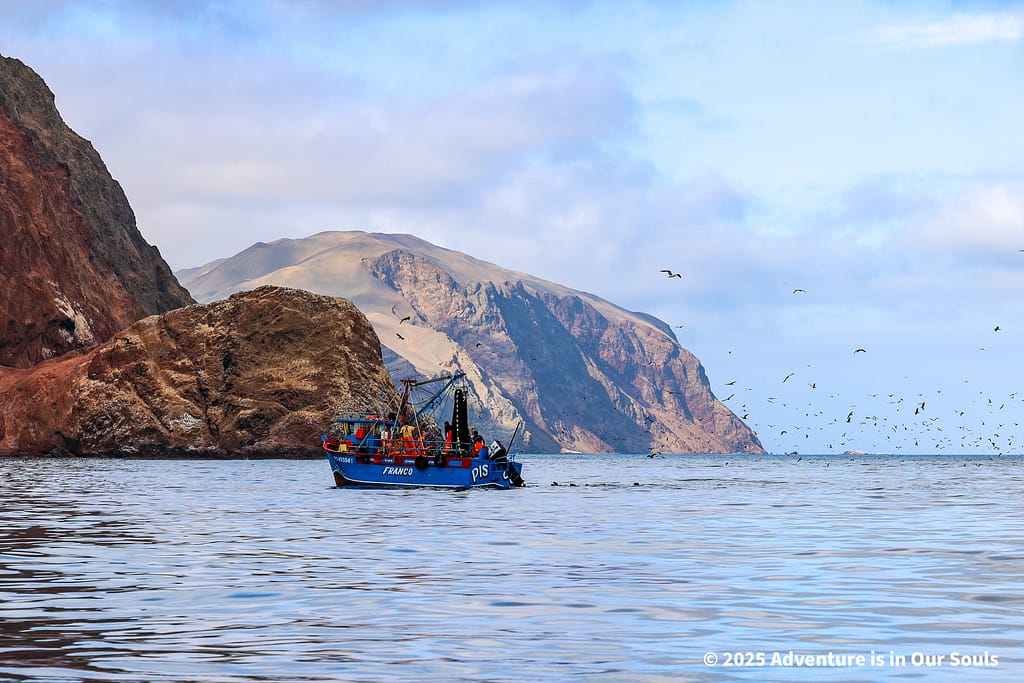
As we neared the islands, the landscape changed to dramatic rocky cliffs and hidden coves. We saw fishermen working their small boats near the shore. The cliffs were covered in nesting birds, and the sound of their calls filled the air.
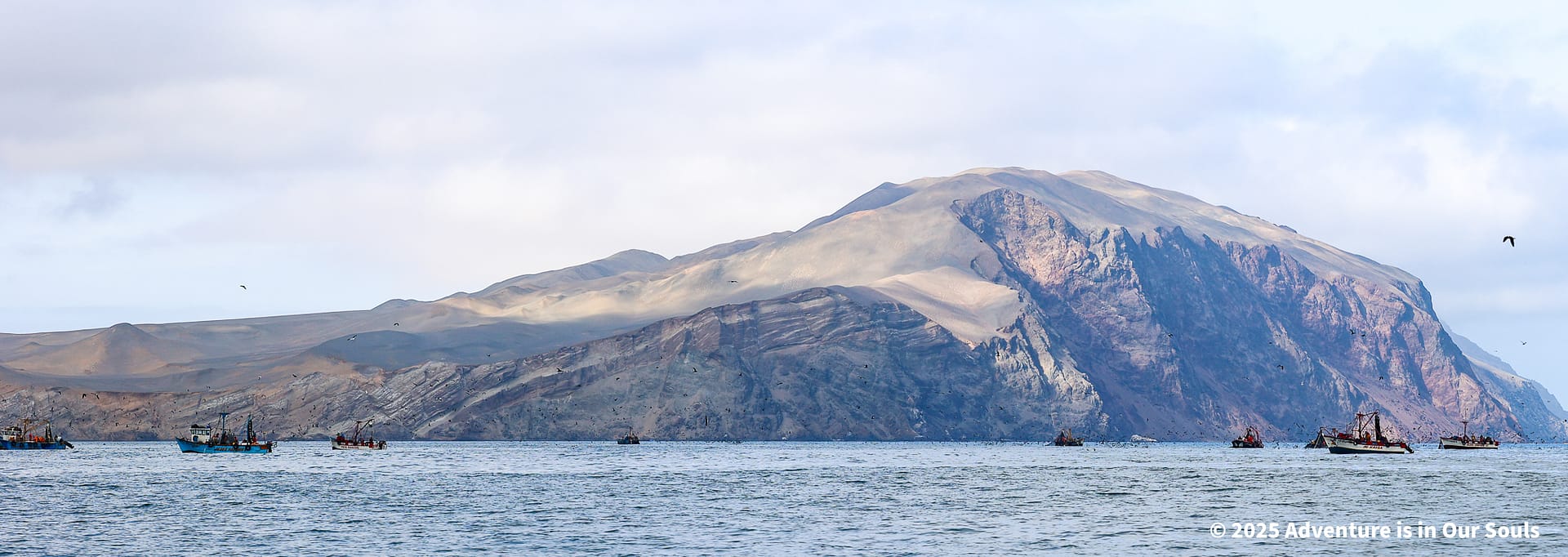
We could smell the guano before we saw it. It’s a sign of just how many birds live here.
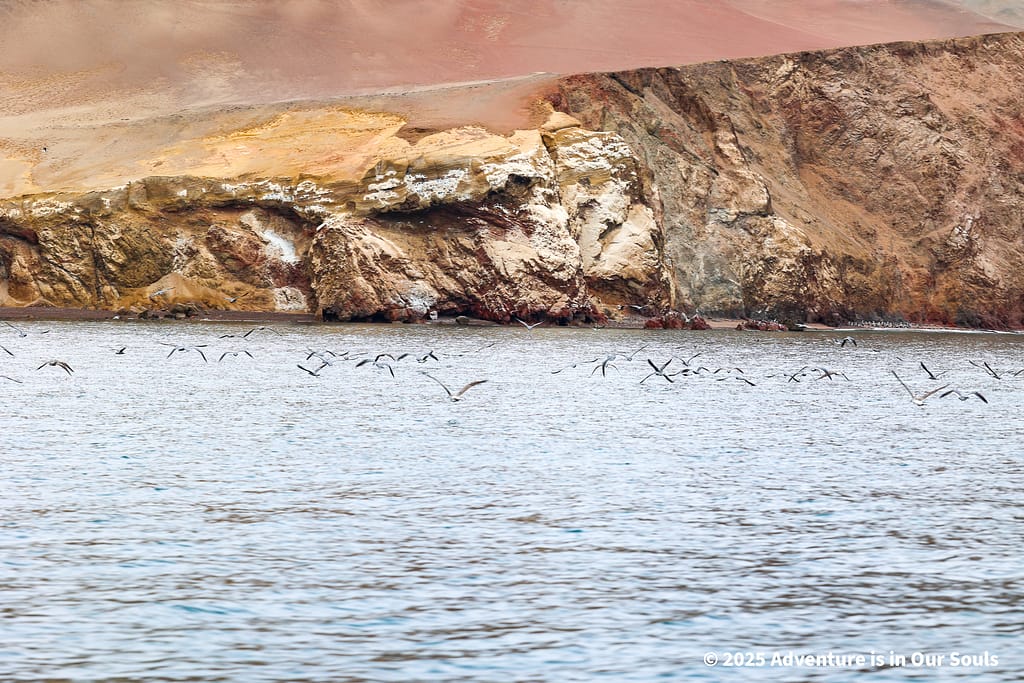
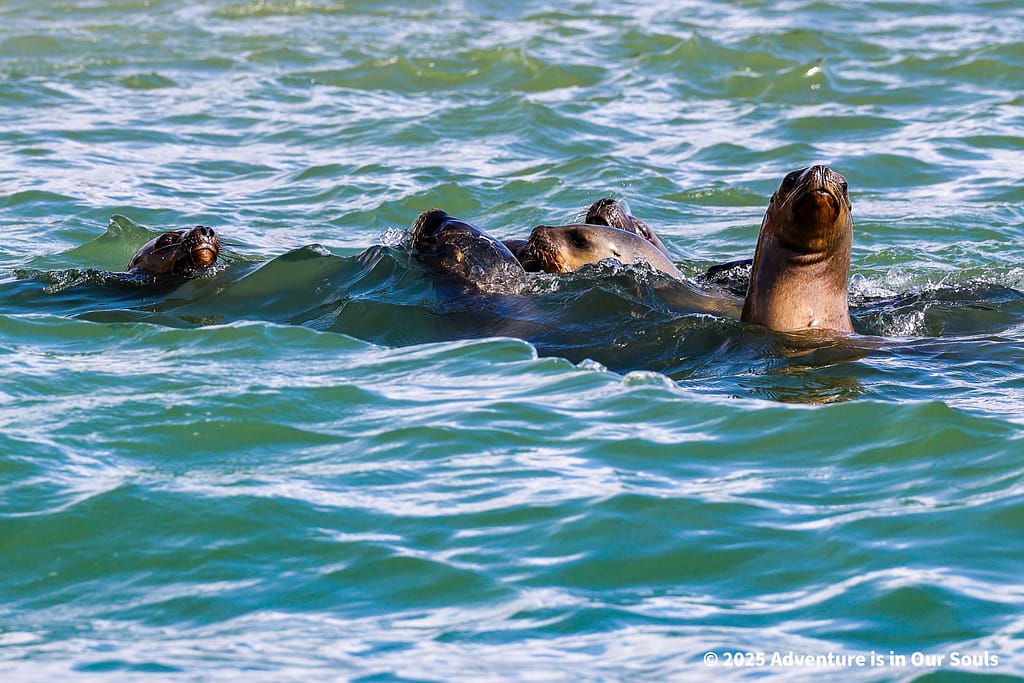
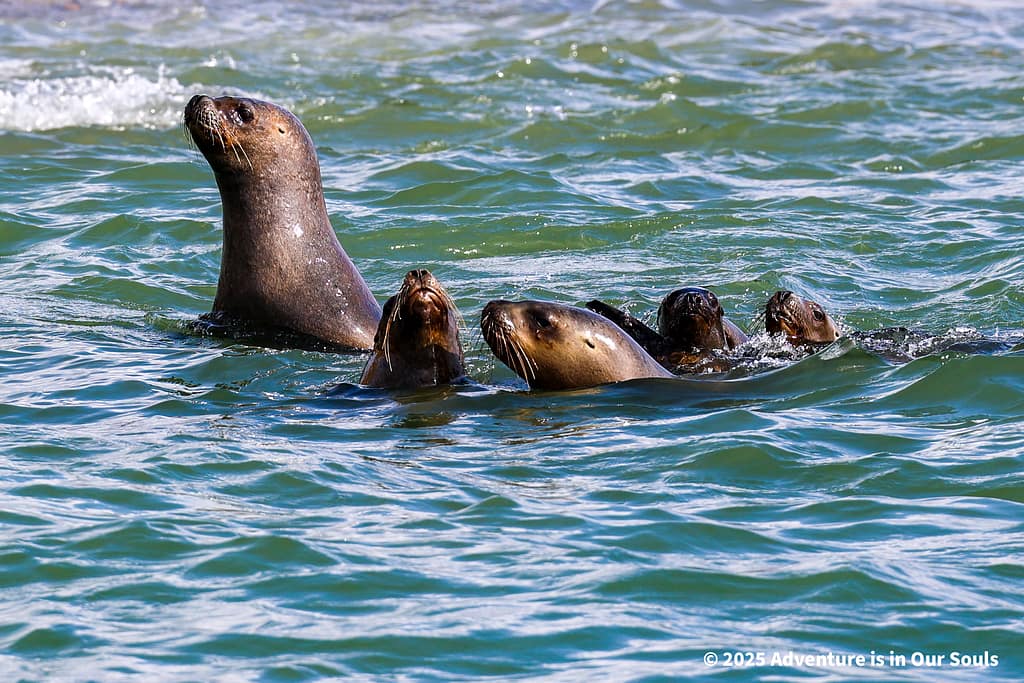
Our guide pointed out sea lions darting through the waves nearby. The girls squealed with excitement every time we spotted something new.
Candelabra Geoglyph
On the way out to the islands, we passed by one of Peru’s most fascinating and mysterious sights: the Paracas Candelabra.
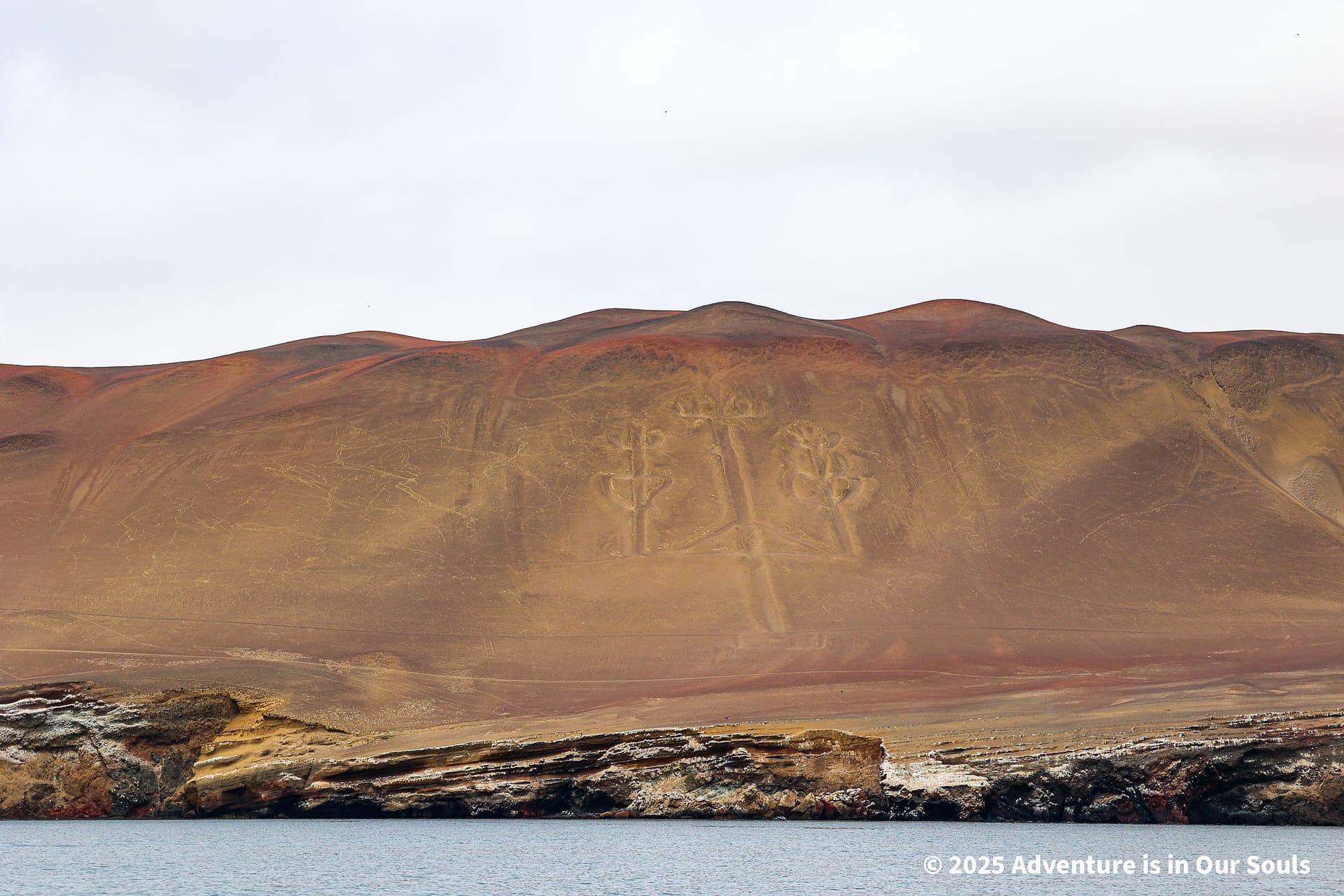
This giant geoglyph is etched into the sandy hillside overlooking the ocean. It measures over 600 feet tall and is thought to be at least 2,000 years old. No one knows for sure who created it or why, though some believe it was used as a navigational symbol for ancient sailors.
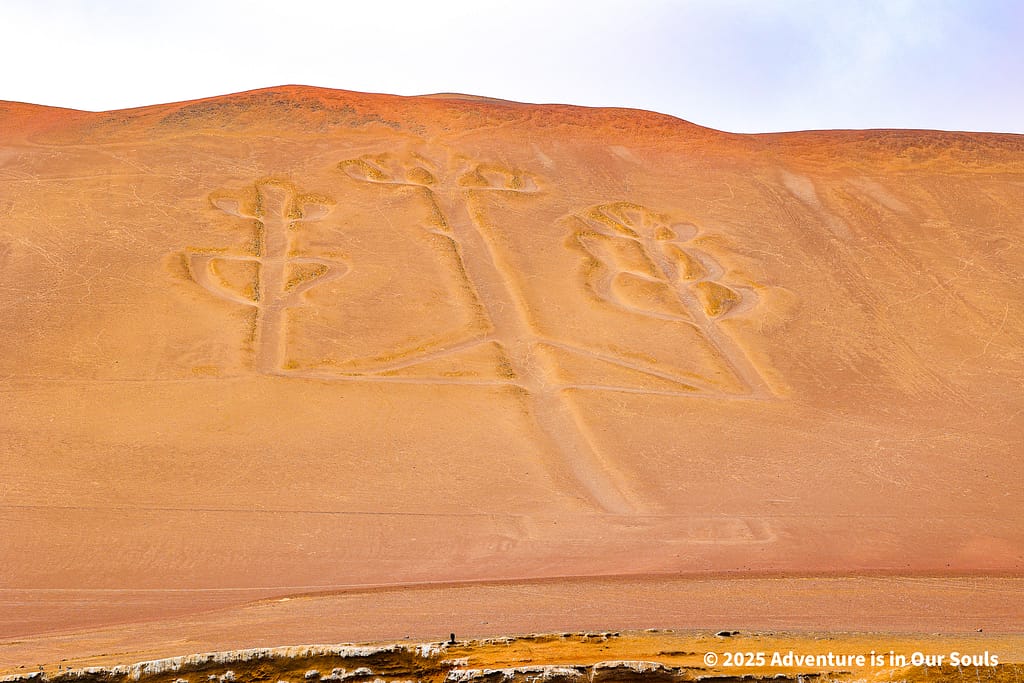
Our guide shared theories about its purpose, including connections to the Paracas culture or links to the Nazca Lines further south.
The dry climate has helped preserve the Candelabra for centuries. It’s carved deep into the soil, and the design has stayed remarkably intact over time. From the boat, the view is striking!
Sea Lions
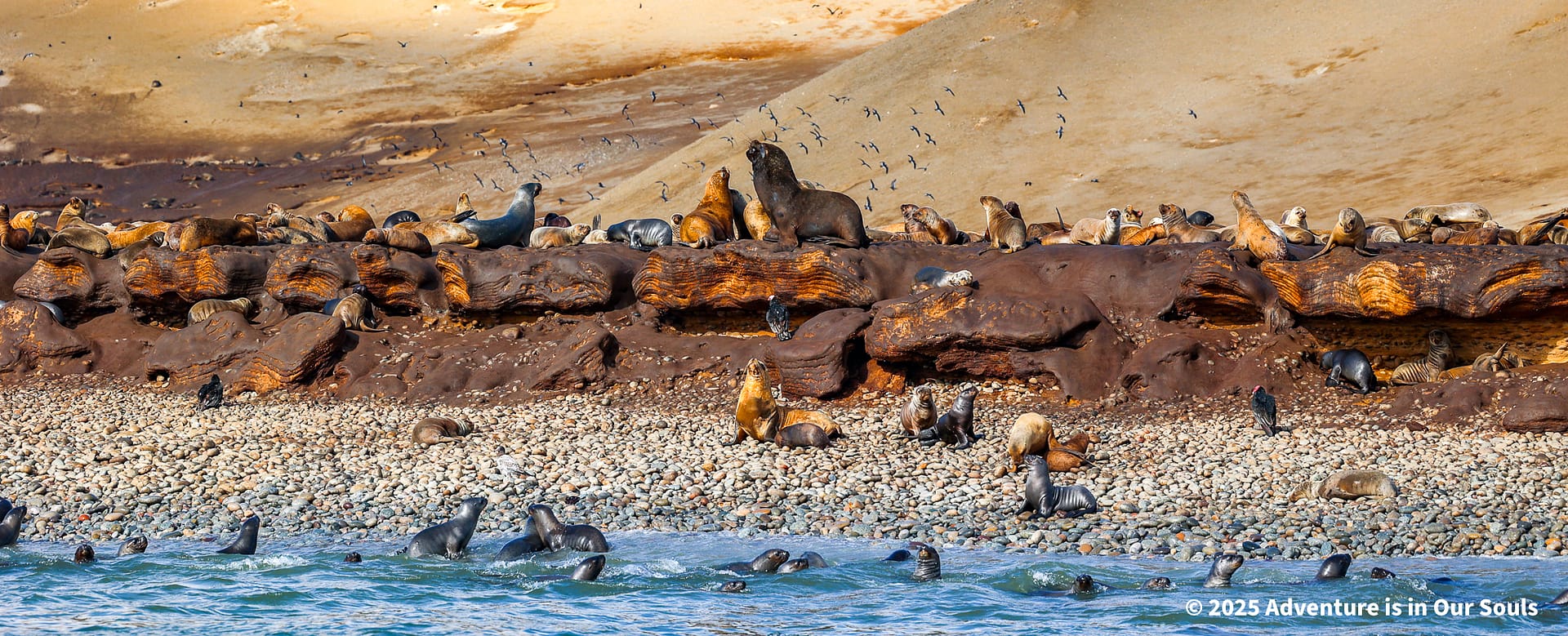
Sea lions are the real stars of the Islas Ballestas. As our boat approached the islands, we could hear their barking before we even saw them. Huge groups of sea lions covered the rocky shores, basking in the cool morning sun.
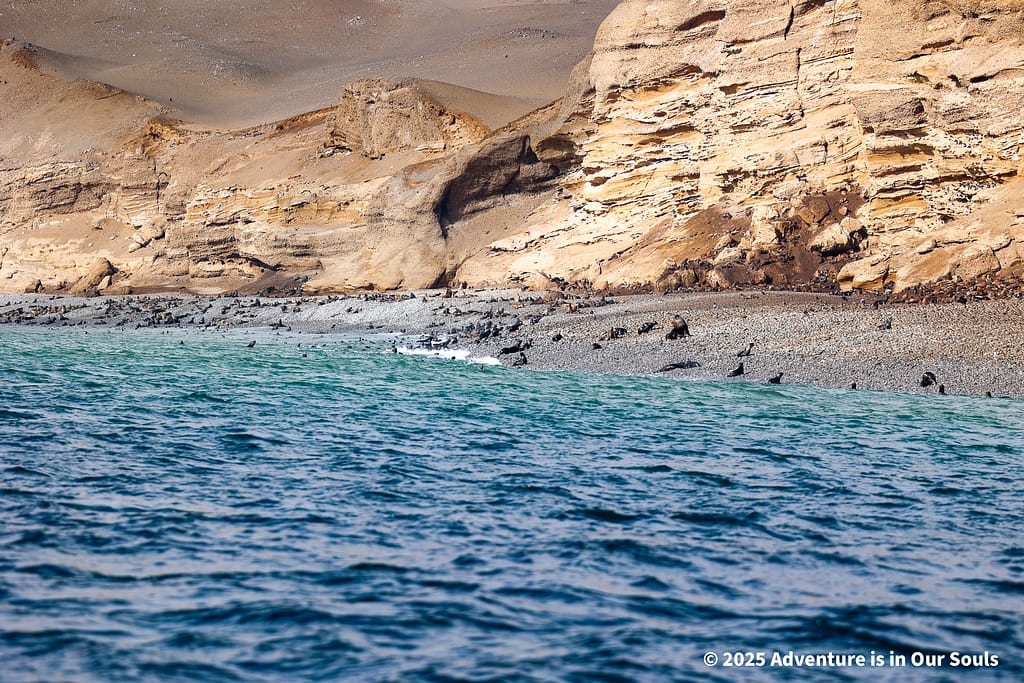
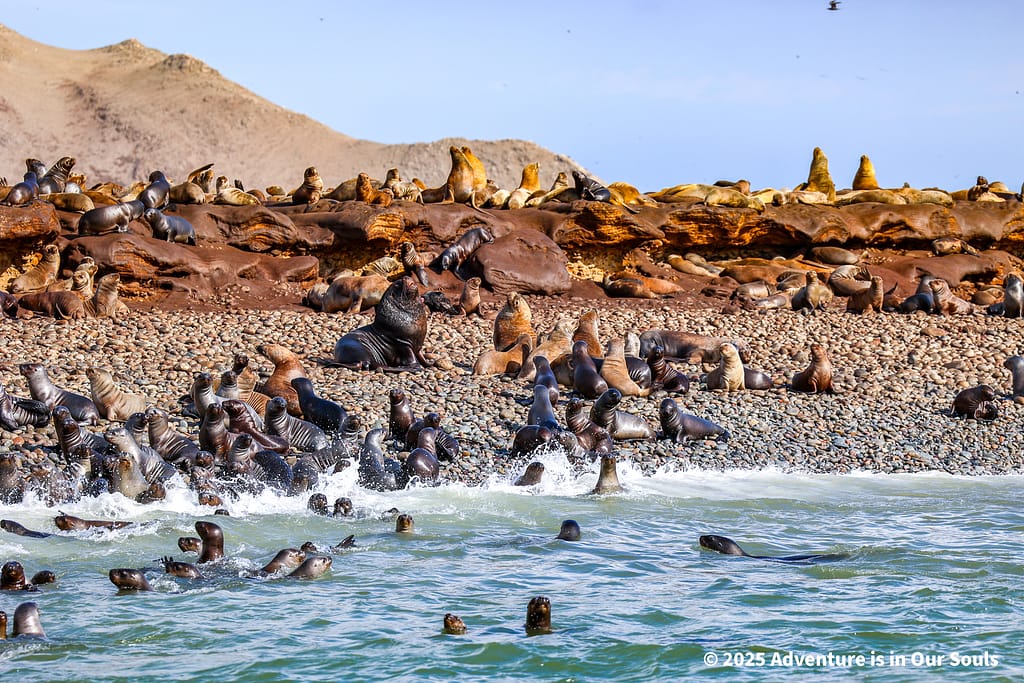
Some dove playfully into the water while others snuggled together in sleepy piles. The girls laughed, watching them roll around and splash each other.
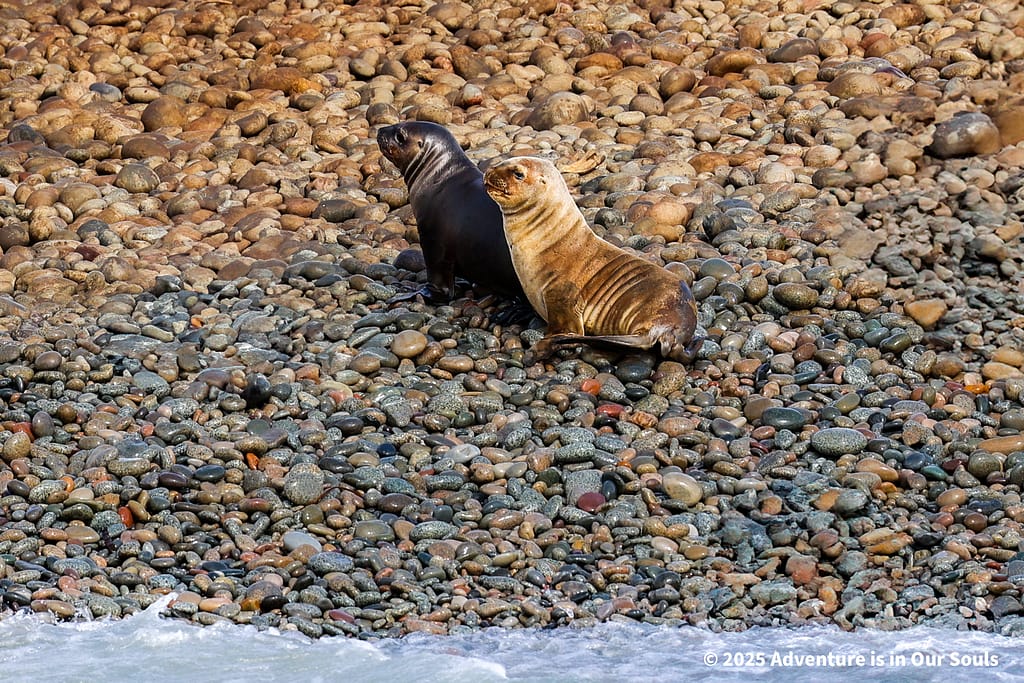
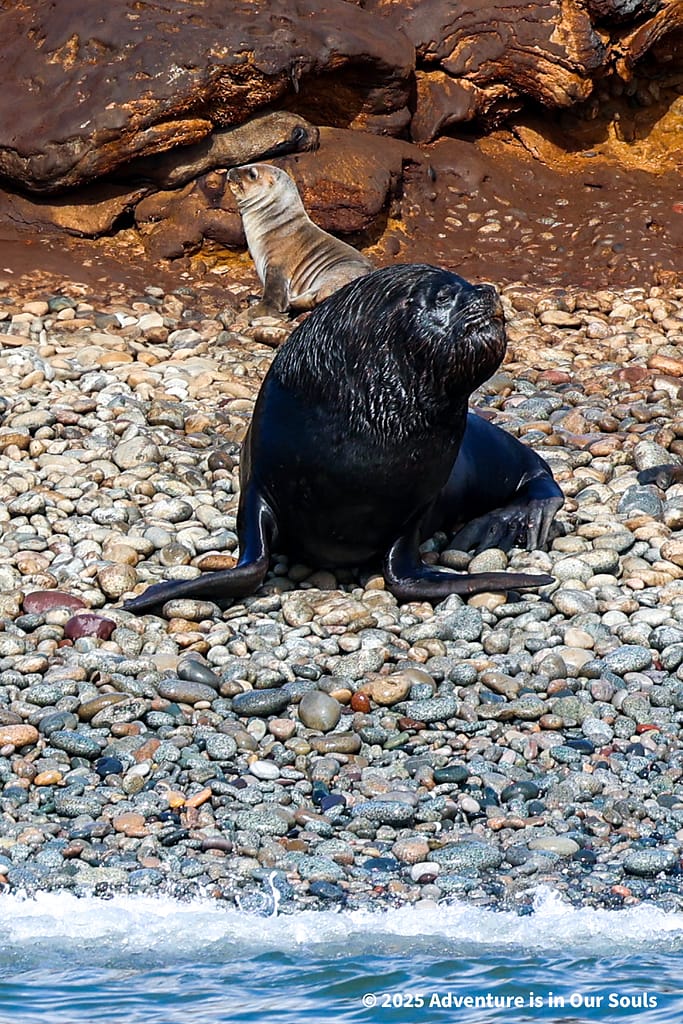
We also saw sea lions swimming near the local fishermen. Our guide explained that the sea lions have learned to follow the boats, hoping for leftover fish. They are clever, curious, and unafraid of humans.
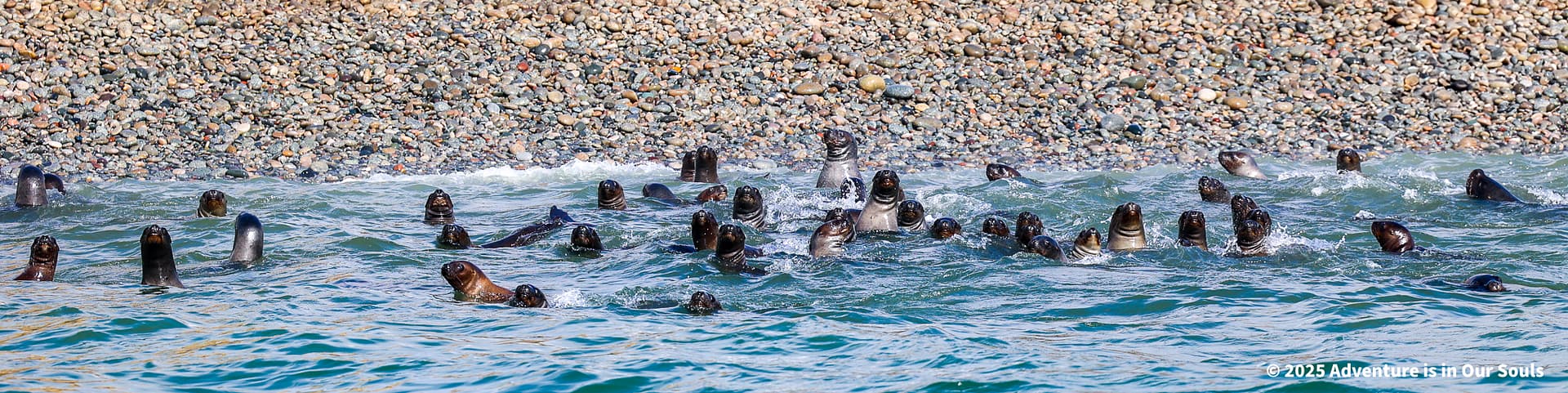
One of the most amazing things about the Islas Ballestas is that these animals thrive here without fear. There are no natural predators on the islands, which makes them a safe haven.
Nesting Birds
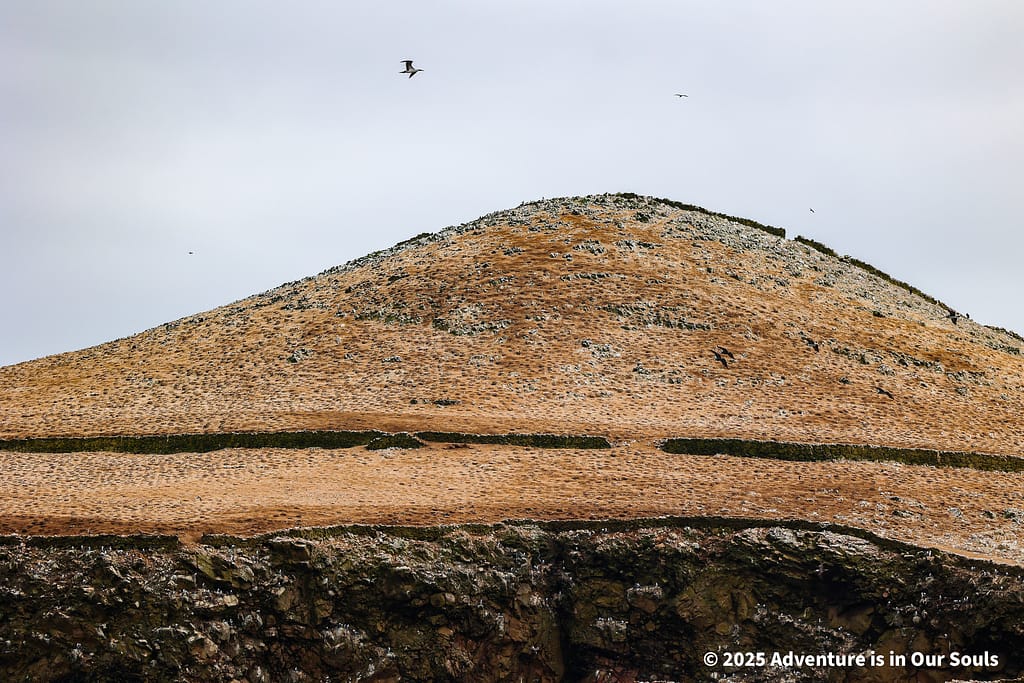
The sky above the Islas Ballestas is filled with seabirds. Thousands of them!
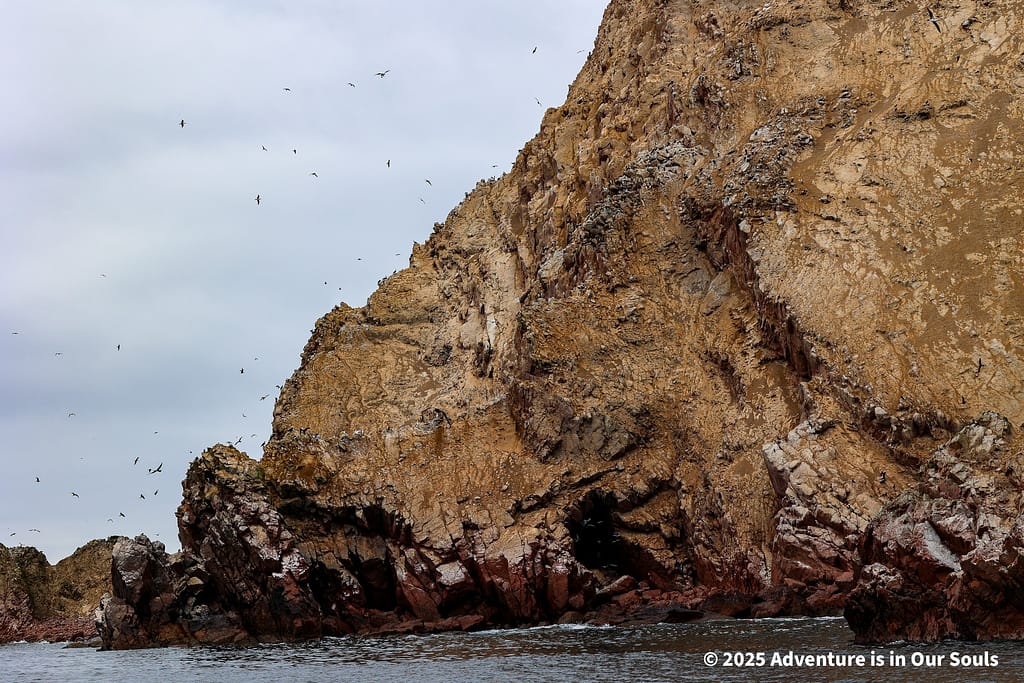
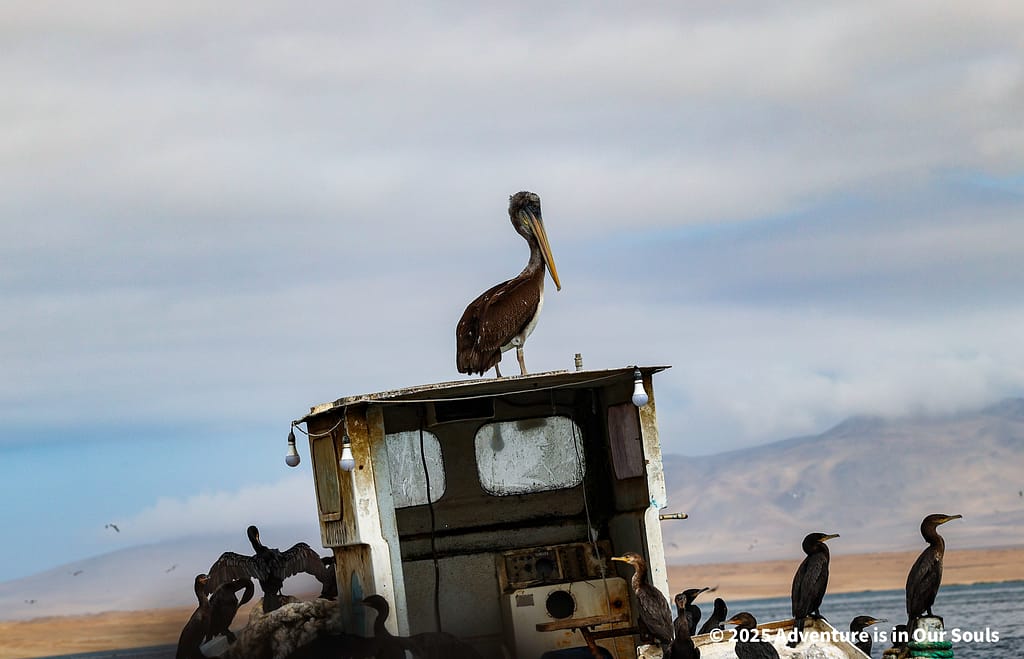
The cliffs and rock ledges serve as nesting areas for a wide variety of species. We saw Peruvian boobies, Inca terns, cormorants, and pelicans. Our guide pointed out how the birds build their homes and care for their chicks.
Guano, or bird droppings, covers many of the island’s surfaces. It might not sound glamorous, but guano is actually an important natural fertilizer. In the past, it was harvested and exported worldwide. Today, guano harvesting is strictly regulated to protect the environment and the animals that live here.
Humboldt Penguins
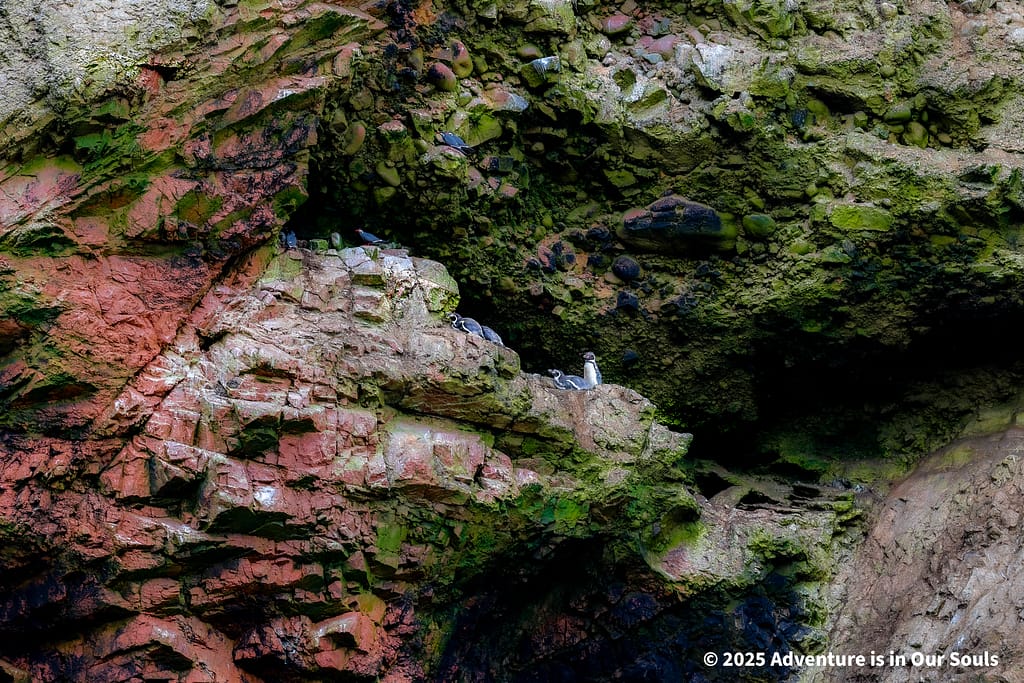
One of the most memorable moments of the tour was spotting Humboldt penguins on the islands. These adorable creatures are native to the coasts of Peru and Chile.
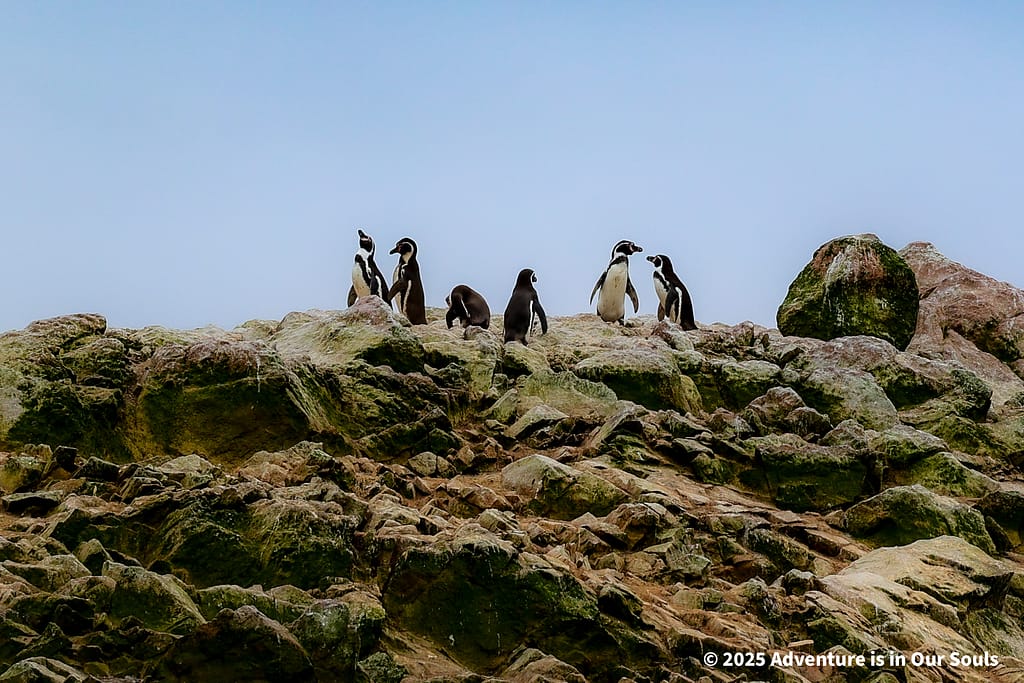
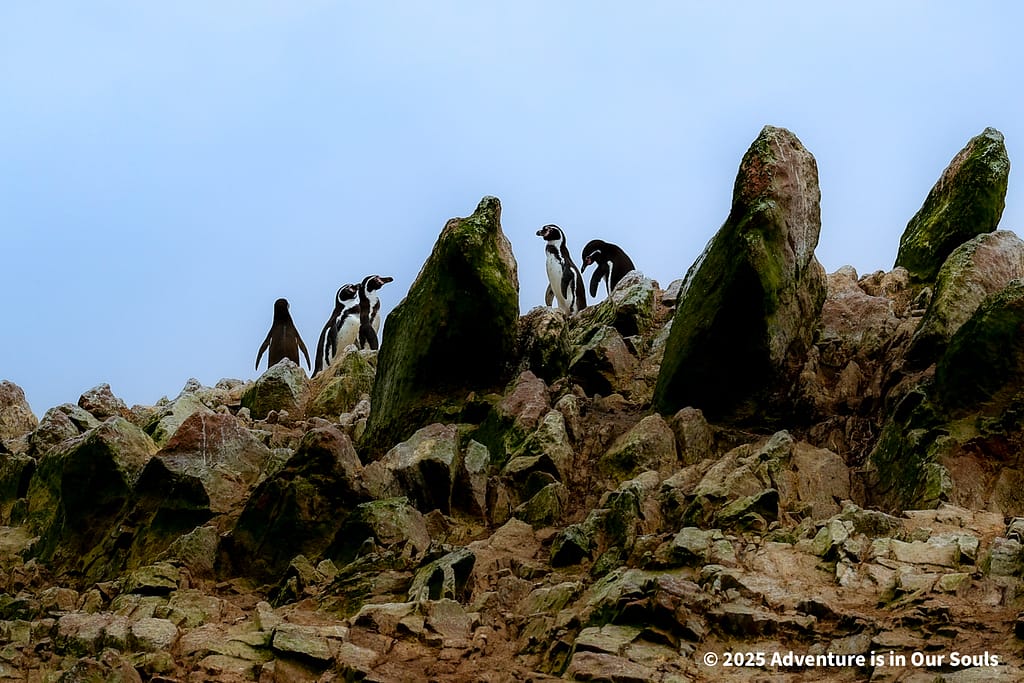
They are named after the Humboldt Current, a cold ocean current that brings nutrient-rich water to the region. This current creates the perfect habitat for the penguins, even though we were near the equator.
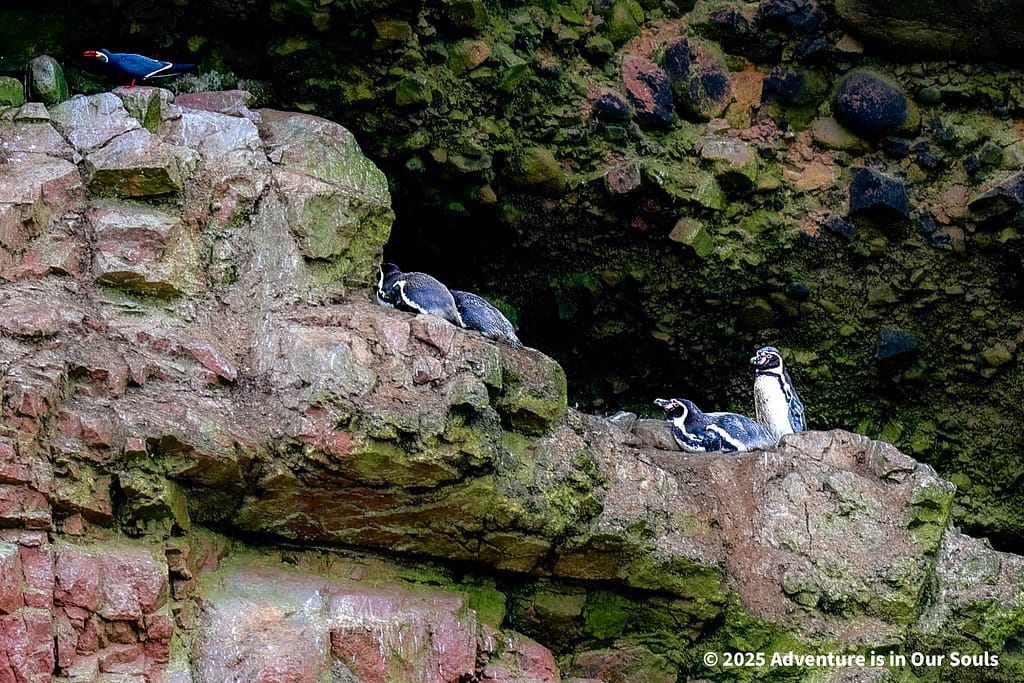
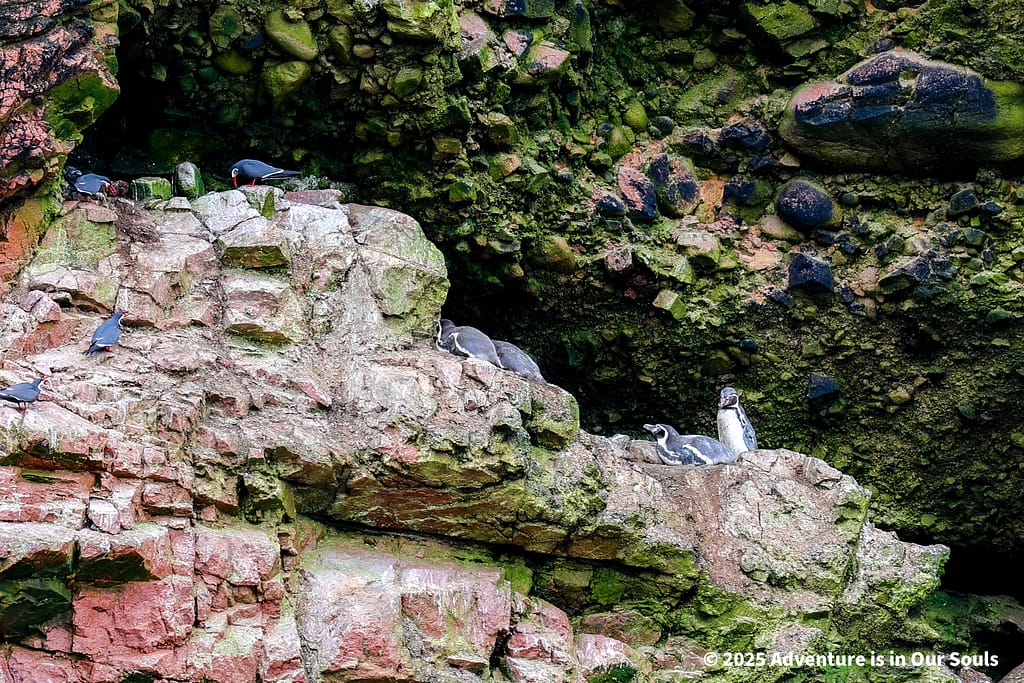
The penguins are small, only about two feet tall, and they move with a funny waddle that had the girls giggling nonstop! We saw several pairs standing on the rocks, preening and watching the ocean. Our guide explained that they nest in crevices and shaded areas to stay cool.
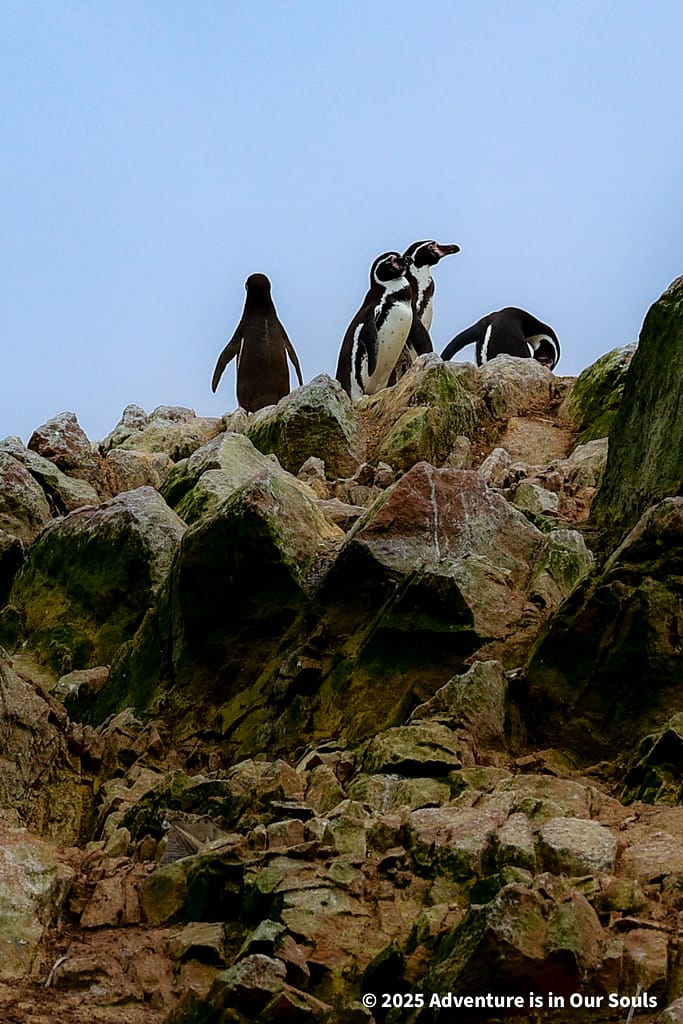
Because the Islas Ballestas are protected and free from predators, the penguins have a safe place to live. It was a bucket-list experience to see them in the wild!
Is an Islas Ballestas Tour Worth It with Kids?
Yes, an Islas Ballestas tour was absolutely worth it for our family. It gave the girls a chance to see sea lions, penguins, seabirds, fishing boats, rock formations, and the Paracas Candelabra on a single manageable boat trip.
The biggest reason this worked well with kids is that the wildlife sightings started quickly and continued throughout the tour. There was always something new to look for, which kept the girls engaged without needing a long attention span or a strenuous activity.
The Family Verdict
Our Islas Ballestas tour was one of the easiest wildlife experiences we added to our Peru itinerary. The boat ride was a manageable length for the girls, the wildlife sightings were frequent, and the mix of sea lions, birds, penguins, rocky cliffs, and the Candelabra geoglyph made the tour feel different from anything else we did in Peru.
If your family is already traveling between Lima, Paracas, Huacachina, or other stops along Peru’s southern coast, this is a worthwhile add-on. I would especially recommend it for families who want a wildlife-focused activity that does not require hiking, altitude adjustment, or a full-day commitment.
Make sure to check out our nearby Peru adventures in Lima, Huacachina, Arequipa, Cusco, the Sacred Valley, Ollantaytambo, and Machu Picchu. You can also follow our full 10-day Peru itinerary for families.
Follow along on our other amazing family travel adventures at www.adventureisinoursouls.com.
Recommended Supplies
Don’t miss out on these recommended supplies for your family adventure!
For Packing:
- Digital Luggage Scale
- Shoe Bags
- Vacuum Storage Bags
- Medicine & First Aid Storage
- Medicine Organizers
- Compression Packing Cubes and Compression Packing Cubes 2
- Toiletry Covers
- Toiletry Bags
For the Airport / Airplane:
- Women’s Compression Socks
- Men’s Compression Socks
- Family Passport / Document Holder
- Portable Cable Organizer
- Neck Pillow
- Sleep Mask
- Apple Watch Portable Charger
- Expandable Luggage
- Compact Blanket
- iPad / Tablet Case
- Luggage Locks
- Bluetooth Adaptor for Airplane
- Air Tags & Covers
For the Hotel:
- Portable Sound Machine
- Power Strip
- Travel Toothbrush Set
- LED Night Lights
- Laundry Bags
- Bed Divider
- Carbon Dioxide Detector
Basics:
- Phone / Purse Combo
- Waist Pouch
- Waterproof Wet Bags
- Extra Duffle Bag / Personal Item
- Cross Body Bag
- Individually Wrapped Wipes
- Water Bottle Carriers
- Hand Soap Sheets
- Medicated Ointment for Bug Bites
- Insect Repellent
- Insect Repellent for Clothing & Gear
- Non-Drowsy Motion Sickness Medicine
- Portable Restroom Kits
- Toilet Covers
- Travel Wipes
- Laundry Sheets
- Jacket / Luggage Straps
Outdoors:
- Women’s All Around Jacket
- Women’s Water-Resistant Hiking Pants, These and These
- Women’s Quick Dry Pants and These
- Women’s Quick Dry Shirts
- Women’s Long Sleeve UV Shirt
- Women’s Hiking Socks
- Women’s Rain Jacket
- Kid’s Quick Dry Pants
- Kid’s Quick Dry Shorts
- Kid’s Quick Dry Shirts
- Kid’s Long Sleeve UV Shirt
- Kid’s Hiking Socks and These
- Kids Rain Jacket
- Kid’s Rain Pants
- Foldable Kid’s Hat
- Men’s Rain Jacket